AUSTIN, TEXAS / OPEN TO CONNECTIONS

Hi, I'm Naga.

Making complex
operations
work better.

I work at the intersection of supply chain, operations, and analytics — connecting rigorous problem-solving with the people and decisions that make change happen.

CURRENTLY · MS BUSINESS ANALYTICS AT UT AUSTIN ↗
Professional portrait of Naga wearing a navy suit
01 / 10THE PERSON BEHIND THE WORK
SUPPLY CHAIN STRATEGY✳OPERATIONS LEADERSHIP✳DECISION SCIENCE✳BUSINESS ANALYTICS

Curious about systems.
Committed to outcomes.

I'm Nagasubramanian Thiyagarajan — Naga for short. I grew up in Chennai, studied engineering in India, explored logistics and operations research at TU Delft in the Netherlands, and now study Business Analytics at the University of Texas at Austin.

Before UT, I spent nearly four years at The Dow Chemical Company working across supply chain planning, logistics operations, analytics, and strategic optimization. I like work where the problem is messy, the stakeholders see it differently, and a thoughtful combination of data and execution can make a tangible difference.

“The most interesting problems aren't just about finding the right answer. They're about making the answer work in the real world.”

Work that moved
the needle.

Six detailed, public-safe project accounts explaining the operating context, my direct contribution, implementation choices, and research questions they inspired.

01
NETWORK OPTIMIZATIONTHE DOW CHEMICAL COMPANY · STRATEGY & ANALYTICS

Rethinking a manufacturing and sourcing network.

The decision context

An interconnected European manufacturing network faced sharply different energy, utility, logistics and production economics across sites. A change that appeared attractive at one plant could shift cost or risk elsewhere in the system. The central question was which production, sourcing and transport configuration would perform best over time—not which individual facility looked cheapest.

What I owned

I helped redesign the network decision model in AIMMS, translated business questions into comparable scenarios, and worked with manufacturing, procurement and commercial partners to validate assumptions. I incorporated operating constraints and cost drivers, including energy, labor, utilities and logistics, and connected forecasting insights to longer-horizon scenario analysis.

How the work moved forward

I compared alternative network configurations, investigated the drivers behind model recommendations, and used segmentation to test whether different product and customer needs justified different supply choices. I then translated technical outputs into financial and operational trade-offs that stakeholders could evaluate.

Research questions it raised

How should supply networks jointly optimize cost, resilience and energy exposure? How can forecast uncertainty and operational constraints be incorporated into strategic network design?

My technical contribution

Adapted AIMMS network-model inputs and constraints; developed comparable operating scenarios; incorporated forecast-informed analysis; tested product/customer segmentation; and translated model trade-offs for cross-functional decision-making.

TOOLS & TECHNOLOGIES USED

AIMMSPythonMathematical optimizationScenario modeling
$15MNPV uplift from network optimization
02
MANUFACTURING ANALYTICSTHE DOW CHEMICAL COMPANY · ASSET UTILIZATION

Finding capacity hidden inside existing assets.

The decision context

Enterprise-level production reporting can conceal the specific constraint limiting throughput. An asset may appear underutilized while its upstream feed, downstream handling, downtime patterns or scheduling decisions create a system bottleneck. Comparing sites without common definitions also risks drawing the wrong conclusions.

What I owned

I worked with manufacturing stakeholders to define asset-utilization measures, connect operational data sources, and develop comparative Power BI/SQL reporting. Rather than treating a low utilization number as the answer, I examined production losses, constraints and site-level operating context to identify where further investigation could create value.

How the work moved forward

I organized a repeatable diagnostic process: establish comparable baselines, isolate deviations, investigate likely bottlenecks with site experts, and translate improvement hypotheses into a prioritized opportunity pipeline. The dashboards supported discussions about which interventions were operationally feasible.

Research questions it raised

How can process-mining, causal inference or predictive analytics separate true production constraints from correlated symptoms? How should asset-improvement opportunities be ranked under limited capital?

My technical contribution

Developed SQL/Power BI reporting to compare utilization measures; investigated loss patterns with site teams; and turned operational diagnostics into a prioritized list of potential improvements.

TOOLS & TECHNOLOGIES USED

SQLPower BIOperational KPI analytics
$7.1Midentified annual savings opportunities
03
OPERATIONS LEADERSHIPTHE DOW CHEMICAL COMPANY · WAREHOUSE OPERATIONS

Fixing warehouse flow by changing what gets prioritized.

The decision context

Two Belgian plastics warehouses had long container residence times despite evidence that capacity alone did not explain the delay. Standard first-in-first-out sequencing overlooked differences in requested delivery dates, inventory age, shelf-life and customer urgency. The challenge was to improve flow without destabilizing service or carrier performance.

What I owned

I coordinated day-to-day improvement with 15 logistics coordinators and logistics partners. I checked arrivals against throughput and capacity, compared SAP inventory signals with loading priorities, and challenged the assumption that a single queue rule served all orders equally well.

How the work moved forward

I designed a practical prioritization logic combining delivery requirements, material criticality, inventory age and operational feasibility. I converted that logic into a decision flow and reinforced it through daily huddles, coaching and performance follow-up. This was an operating-model change, not simply a new dashboard.

Research questions it raised

How do dynamic dispatch rules perform under uncertain arrivals, service commitments and shelf-life constraints? Can reinforcement learning or simulation improve warehouse sequencing while preserving fairness and reliability?

My operational contribution

Investigated residence-time drivers, designed an alternative to FIFO prioritization using service and inventory considerations, and helped embed the new decision rules through team huddles and coaching.

TOOLS & TECHNOLOGIES USED

SAP ERP / MD04Inventory prioritizationOperational decision rules
−44%container residence time
04
LOGISTICS DIGITALIZATIONTHE DOW CHEMICAL COMPANY · REAL TIME VISIBILITY

Turning shipment tracking into usable visibility.

The decision context

Shipment tracking coverage was fragmented across carriers, regions and technical systems. Missing GPS signals, delayed milestone events and inconsistent data quality weakened the ability to detect delays and proactively inform customers.

What I owned

I worked on the FourKites visibility program across Europe, India and South Africa, combining carrier governance with operational problem solving. I analyzed missing and late events, coordinated with service providers, and helped define clearer update expectations and alternatives for lanes without dependable GPS feeds.

How the work moved forward

The improvement combined milestone mapping, data-quality monitoring, carrier follow-up, KPI reviews and customer-facing validation. I used exceptions to distinguish technology gaps from process-compliance gaps and helped teams make visibility part of daily execution instead of a passive software deployment.

Research questions it raised

How can multimodal event streams be fused to infer shipment status when telemetry is sparse? What is the value of information from real-time visibility for exception management and customer service?

My implementation contribution

Defined visibility and carrier-milestone performance expectations, worked through missing GPS-event coverage, and coordinated operational follow-up to improve adoption and reliability.

TOOLS & TECHNOLOGIES USED

FourKitesCarrier milestone dataVisibility KPI monitoring
69% → 87%real-time shipment visibility
05
S&OP / INVENTORYTHE DOW CHEMICAL COMPANY · BUSINESS PLANNING

Making slow-moving inventory visible early.

The decision context

Slow-moving and blocked inventory tied up capital and reduced planning flexibility. The underlying decision was not merely which items were old: planners needed to decide whether demand recovery, rework, redistribution or production changes could responsibly reduce exposure.

What I owned

Within recurring S&OP reviews, I examined inventory age and demand signals, introduced earlier warning thresholds, and evaluated alternatives with planners and business stakeholders. I connected stock decisions to production and asset constraints so that inventory reduction did not create a downstream service problem.

How the work moved forward

I framed the analysis as scenarios rather than a static aged-stock report: which inventory was likely to clear under different demand assumptions, which required intervention, and which actions were operationally feasible? I used the results to support cross-functional decisions and follow-through.

Research questions it raised

How can probabilistic demand forecasts drive inventory disposition and rework decisions? What is the best way to optimize working capital while controlling stockout and production risks?

My planning contribution

Used forecasting and inventory review within S&OP cycles to identify slow-moving stock, examine demand scenarios, and coordinate actions that reduced inefficient inventory.

TOOLS & TECHNOLOGIES USED

SAP ERP / HANAOMPS&OP scenario analysis
$5.7Minefficient inventory reduction, per current CV
06
COST-TO-SERVETHE DOW CHEMICAL COMPANY · FINANCE & OPERATIONS

Connecting operational choices to financial consequences.

The decision context

Financial cost categories and physical operating decisions are often disconnected. Without a consistent view of how products, assets, routes and customer requirements create cost, teams may optimize local budgets while increasing the total cost of service.

What I owned

I integrated operational and financial inputs into a cloud-based Finance Hub and helped create scenario simulations that made the cost implications of different choices easier to examine. My contribution connected data engineering, analytical logic and the stakeholder questions that the system needed to answer.

How the work moved forward

I structured comparable scenarios, surfaced relevant cost drivers and helped translate results into decisions that business teams could challenge and refine. The goal was to make cost-to-serve analysis repeatable and actionable, not simply publish another financial report.

Research questions it raised

How can decision-support systems attribute end-to-end costs to operational choices? Can agentic analytics explain cost drivers and recommend feasible interventions with transparent assumptions?

My analytical contribution

Integrated operational and financial data into a cloud-based cost-to-serve workflow, built comparative scenarios, and communicated where service and supply decisions created avoidable cost.

TOOLS & TECHNOLOGIES USED

PythonMicrosoft AzureAmazon AthenaFinancial scenario modeling
$2M+identified cost reduction opportunities

Visuals are conceptual illustrations created for this portfolio, not actual company data, network structures, or system screenshots. Financial figures reflect the descriptions in my current résumé; identified opportunities are not presented as realized savings.

Different places.
One throughline.

2026 — 2027
EDUCATION

University of Texas at Austin / Austin, United States

MS in Business Analytics · McCombs School of Business. Deepening my toolkit in machine learning, decision science, and analytics.

2022 — 2026
WORK EXPERIENCE

The Dow Chemical Company / Terneuzen, Netherlands

Supply chain strategy, operations, planning, and analytics. Progressed through cross-functional roles from frontline logistics and S&OP to enterprise optimization and business intelligence.

2021
WORK EXPERIENCE

The Kraft Heinz Company / Amsterdam, Netherlands

Supply chain analytics internship supporting KPI and OTIF performance monitoring for the Japan business.

2020 — 2022
EDUCATION

TU Delft / Delft, Netherlands

MSc in Transport, Infrastructure & Logistics. Specialized in logistics systems and operations research; researched how freight data becomes useful decision intelligence.

Feb 2020 — Jun 2020
STUDENT EXCHANGE

Barcelona East School of Engineering (EEBE), Universitat Politècnica de Catalunya / Barcelona, Spain

International student exchange during my undergraduate Mechanical Engineering degree, studying at UPC’s Barcelona East School of Engineering and gaining experience in an international engineering environment.

2016 — 2020
EDUCATION

Amrita Vishwa Vidyapeetham / Coimbatore, India

BTech in Mechanical Engineering. Where my interest in systems, process design, and solving practical problems took shape.

RESEARCH INTERESTS · FROM OPERATIONS TO INQUIRY

Questions worth
investigating.

I want to translate real operational challenges into rigorous, data-driven research—connecting optimization, prediction, and decision-making with solutions people can implement.

01 /

Resilient supply networks

How can sourcing and production networks balance cost, capacity, energy exposure and uncertainty rather than optimizing each decision in isolation?

Grounded in network optimization
02 /

Decision intelligence for operations

How can predictive models and operational constraints be combined to recommend feasible actions—not just forecast what may happen?

Grounded in forecasting and planning
03 /

Reliable logistics execution

How can imperfect event data, carrier behavior and exception signals improve shipment visibility and time-sensitive operational decisions?

Grounded in digital shipment visibility
04 /

Diagnosing system bottlenecks

How can analytics distinguish true operating constraints from correlated symptoms, then prioritize interventions with measurable business value?

Grounded in asset utilization

These are prospective research directions inspired by industry experience, not claims of completed research.

PEER-REVIEWED PUBLICATION · 2024

When freight data becomes decision intelligence.

A data-to-value framework for freight ITS: Insights from a living lab

Co-authored research exploring how logistics stakeholders can translate shared freight transport data into useful services and decisions, drawing on three real-world use cases in the Netherlands.

Research in Transportation Business & Management · Volume 57 · Article 101214

Read the publication ↗

Current research interests: resilient supply network design, operational decision intelligence, predictive logistics, causal diagnostics in manufacturing, and human-centered analytics. I am particularly interested in research that connects rigorous models to implementable operating decisions.

BEYOND THE DAY JOB

Building people and communities.

Asian Diversity Network, Dow
Global Communications Chair — supporting community, visibility, and allyship across a global employee network.

University Relations, Dow × TU Delft
Helped connect more than 200 master's students with industry professionals and opportunities.

Mentorship, Dow
Coached five supply chain analysts in problem solving, technical work, and stakeholder engagement.

Methods matter.
So does judgment.

OPERATIONS & STRATEGY

Supply chain design · S&OP · Logistics · Operations management · Continuous improvement · Stakeholder leadership

ANALYTICS & OPTIMIZATION

Optimization modeling · Forecasting · KPI design · Decision support · Scenario analysis · Machine learning

TECHNOLOGY

Python · SQL · Power BI · AIMMS · SAP ERP / HANA · OMP · Oracle TMS · Azure

There’s more to
the story.

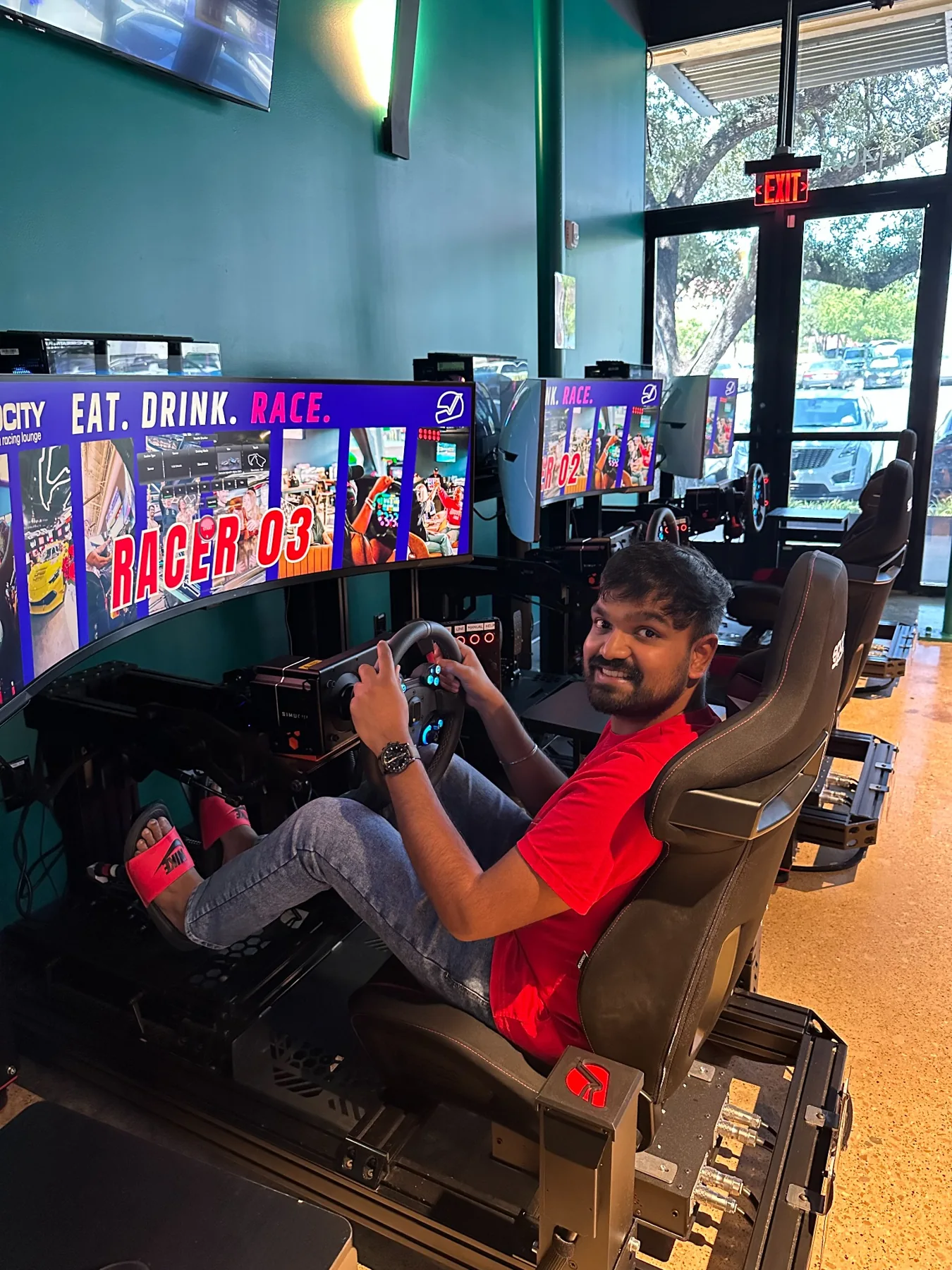
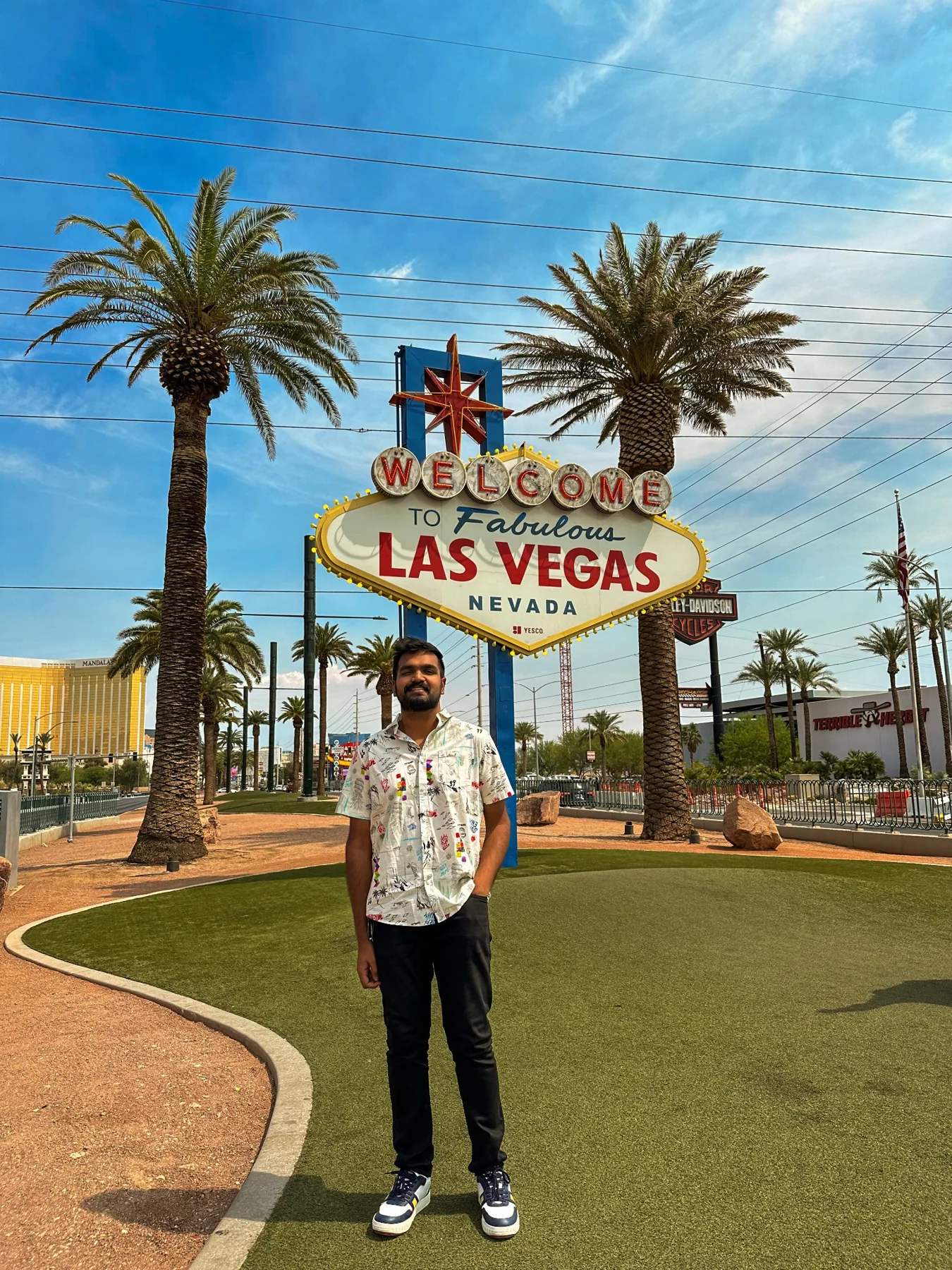
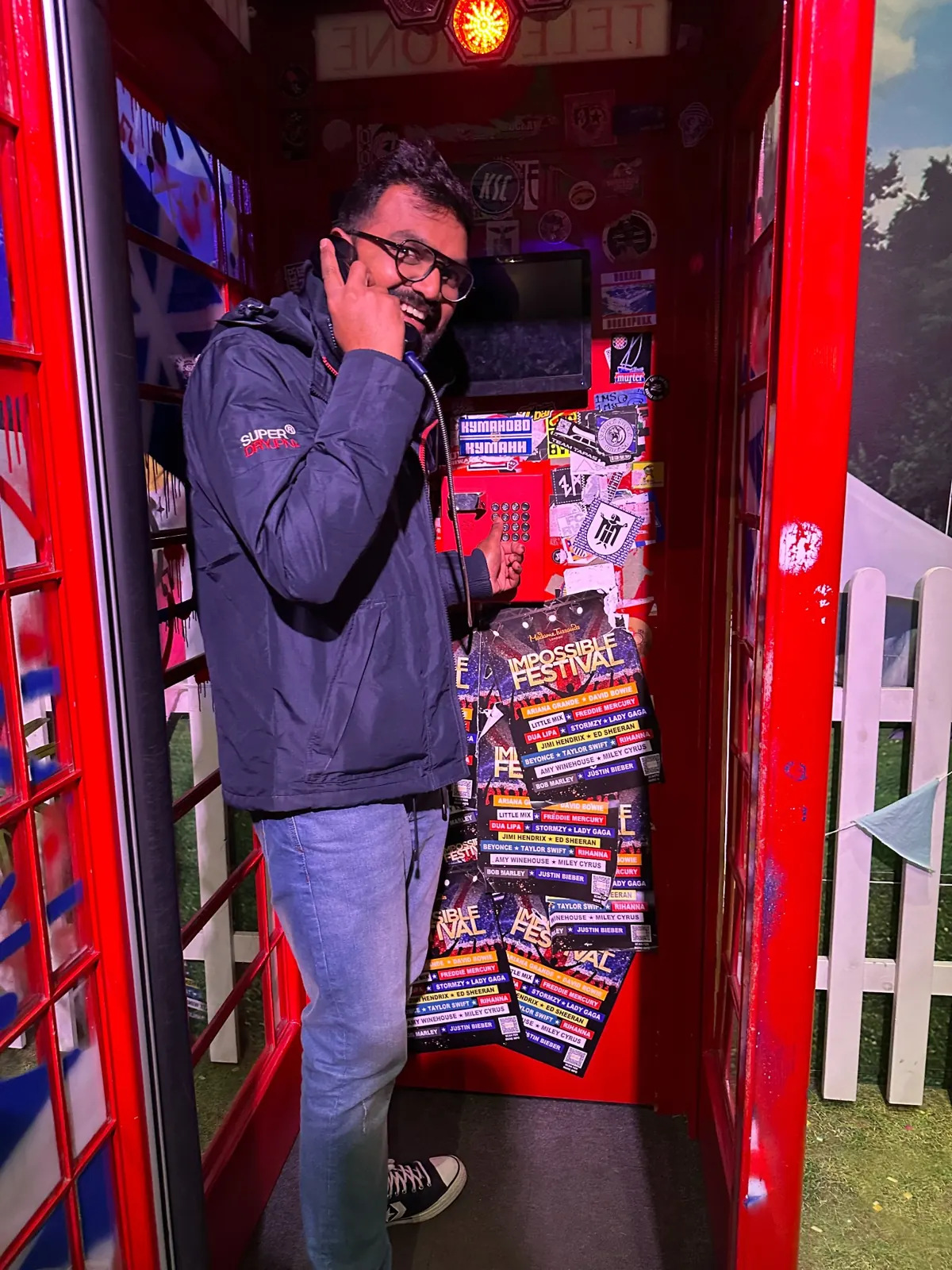
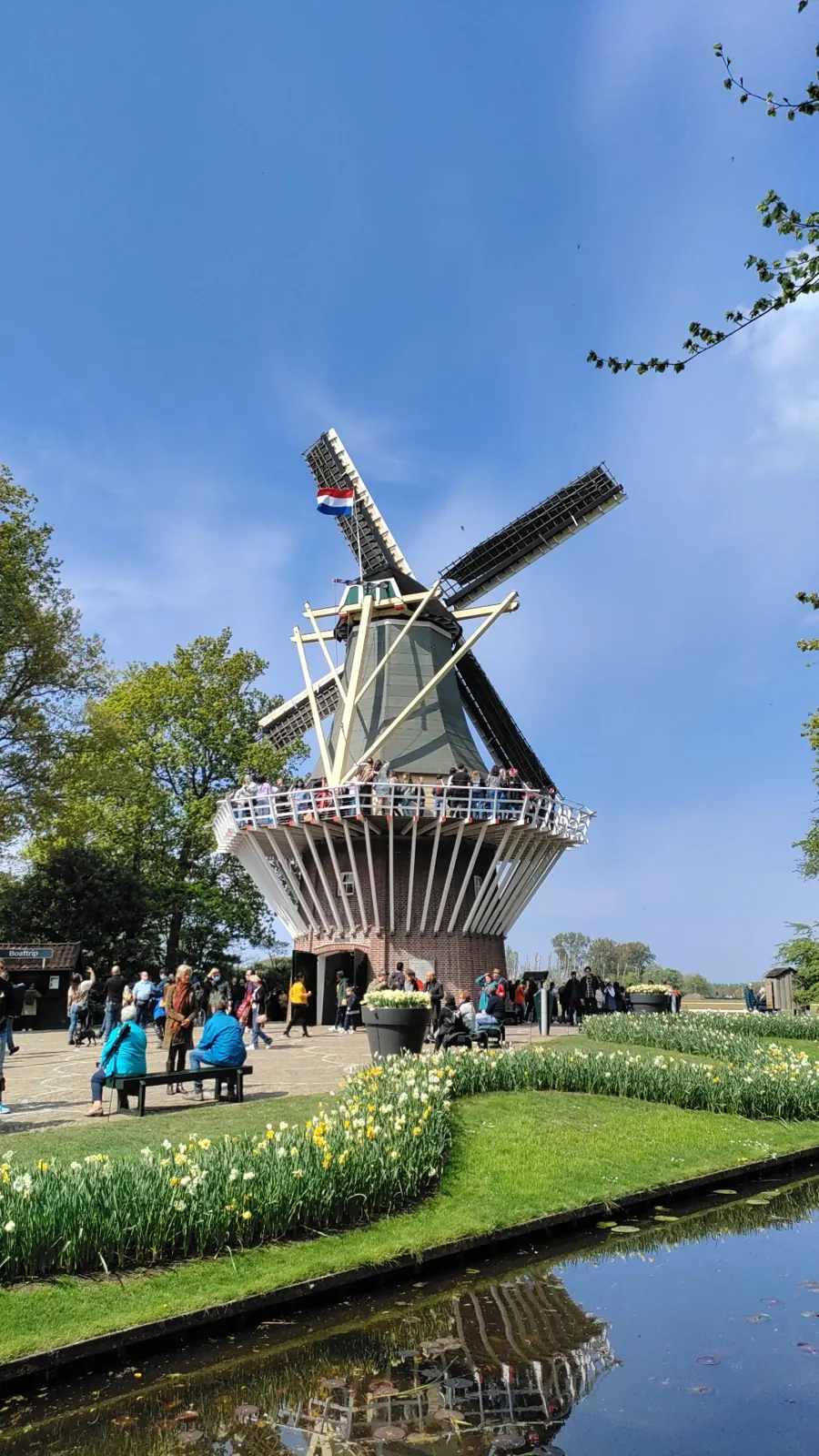
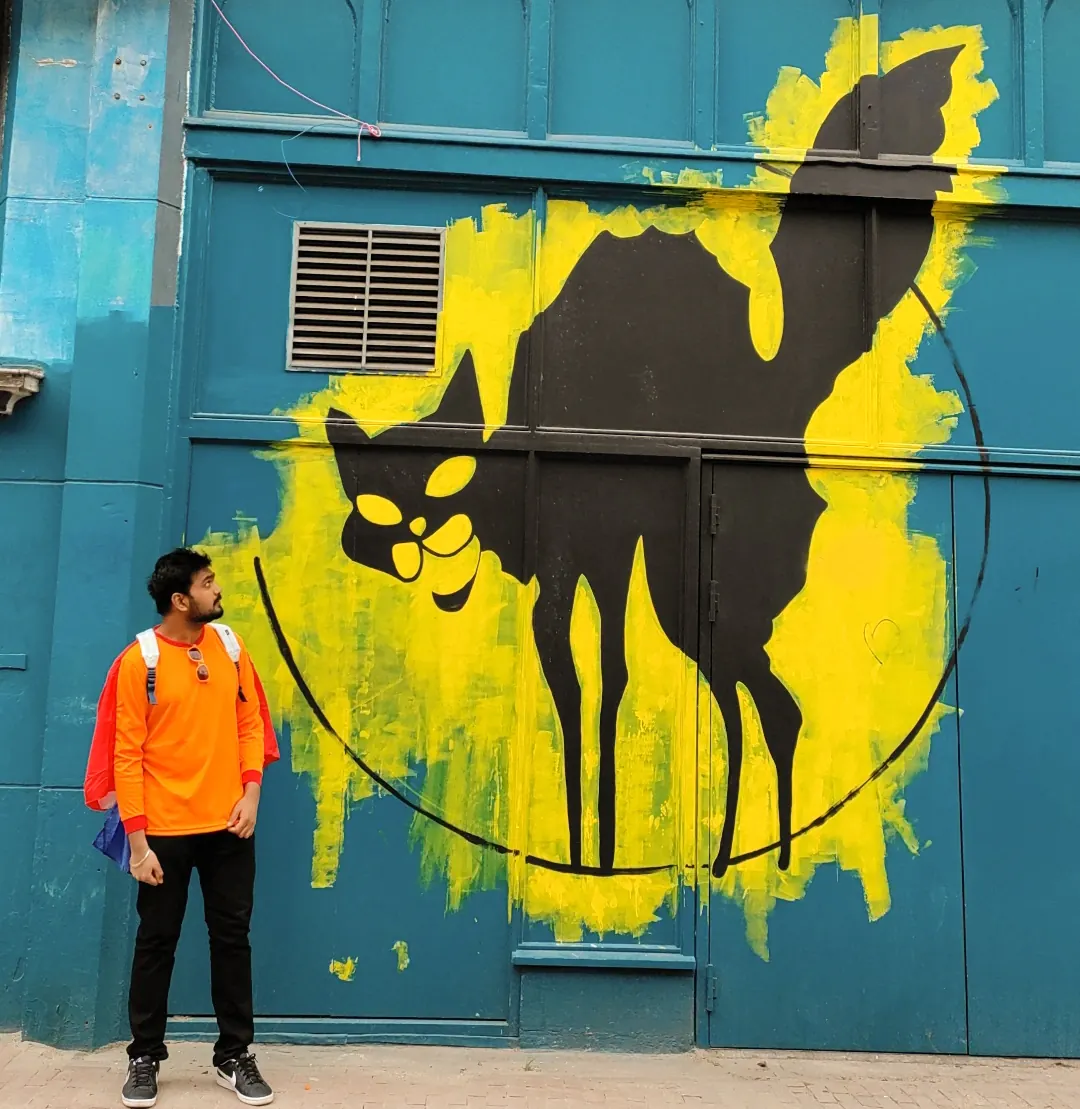
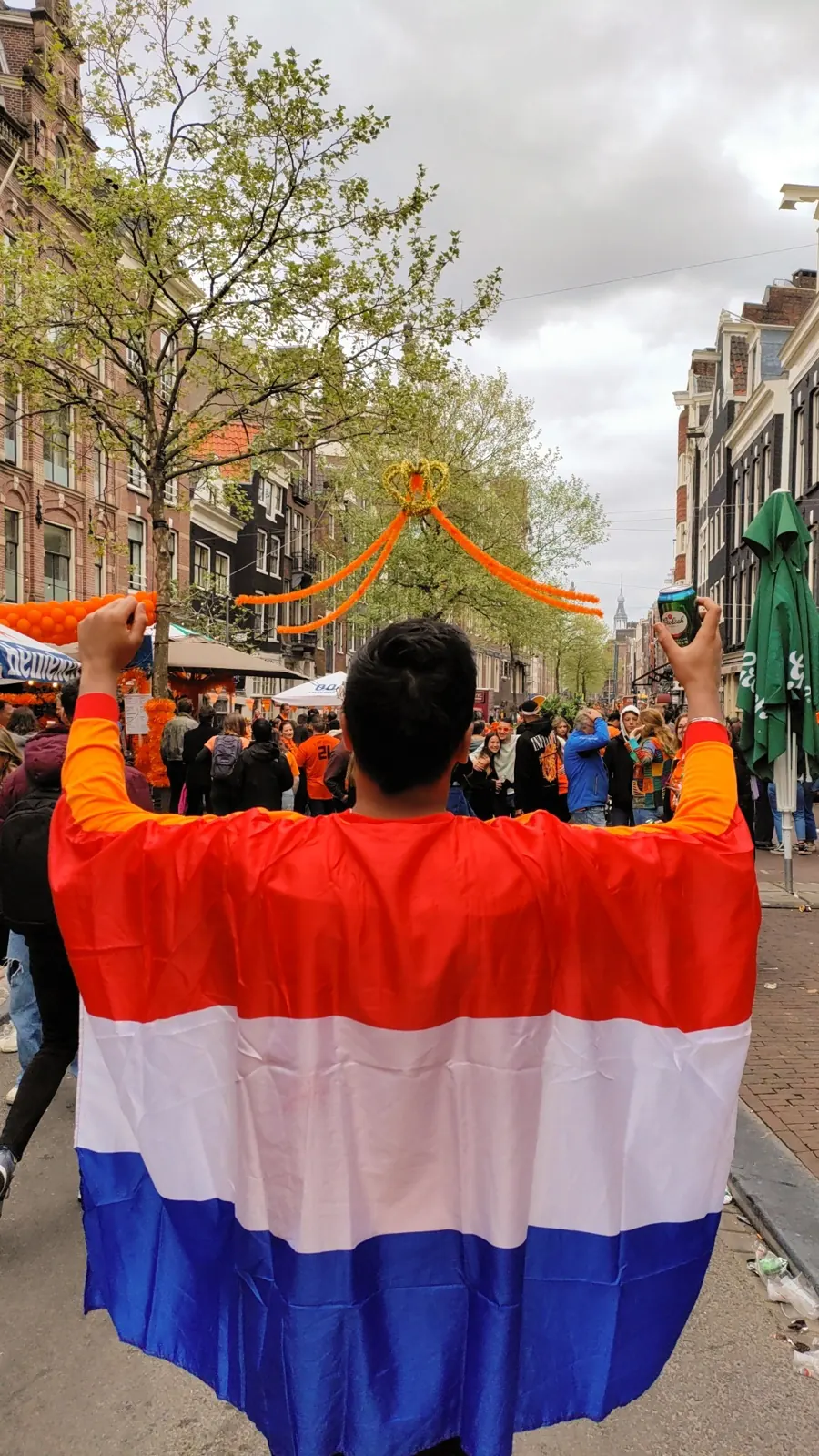
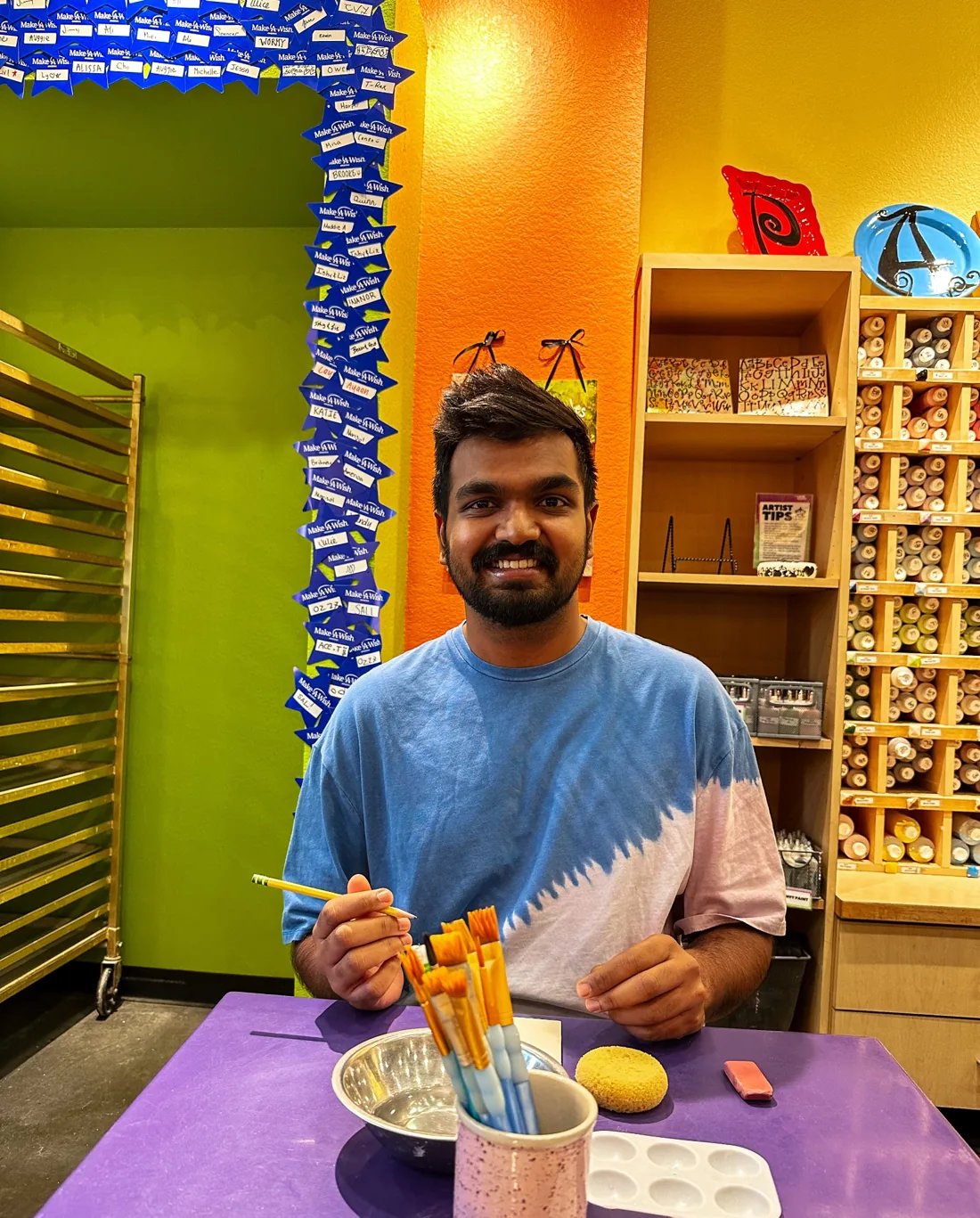
From Chennai to Delft to Austin, I've learned as much outside the classroom and office as I have inside them. I enjoy exploring new places, football, and anything with a bit of speed.

GOOD CONVERSATIONS START SOMEWHERE

Have an interesting
problem in mind?

I'm always glad to connect with people working on operations, analytics, supply chains, and ideas worth exploring.